German Citizenship: Which Documents Need Translation
Which documents the naturalisation office asks for, which need a certified translation, and how to avoid the mistakes that delay your application.
At a glance
- Ask your naturalisation office for its list of required documents
- Order certificates from your country of origin, with an apostille or legalisation where needed
- Have foreign-language certificates translated by a sworn translator, with your passport spelling noted
- Submit the application complete, with originals and translations
Anyone applying for German citizenship has to prove one thing above all: who they are. Section 10(1) of the Staatsangehörigkeitsgesetz (StAG, Nationality Act) requires your identity and nationality to be established, and that is done through documents. Alongside your passport, these almost always include civil-status certificates from your country of origin, which are usually not in German. This guide explains which documents naturalisation offices usually ask for, which of them need a certified translation, and which mistakes hold an application up for no good reason.
Two points first. Requirements differ from one office to the next, and each Einbürgerungsbehörde (naturalisation office) gives you its own list. What follows describes the usual case as of 6 November 2026, not the decision in any individual case. And giving up your previous nationality is no longer a requirement: the provisions that demanded it, section 10(1) no. 4 and section 12 StAG, have been repealed. Whether your country of origin lets you keep its nationality, however, depends on its own law.
Which documents does the naturalisation office usually ask for?
As a rule, you need five years of lawful residence in Germany (section 10(1) StAG). Beyond that, the office checks, among other things, your residence status, your means of support, your German at level B1, your knowledge of the legal and social order, whether you have any relevant criminal convictions, and your commitment to Germany's free democratic constitutional order. Most of the evidence for these is German paperwork already. What needs translating is mainly the certificates that prove your identity and family status.
| Document | Usually required? | Translation needed? |
|---|---|---|
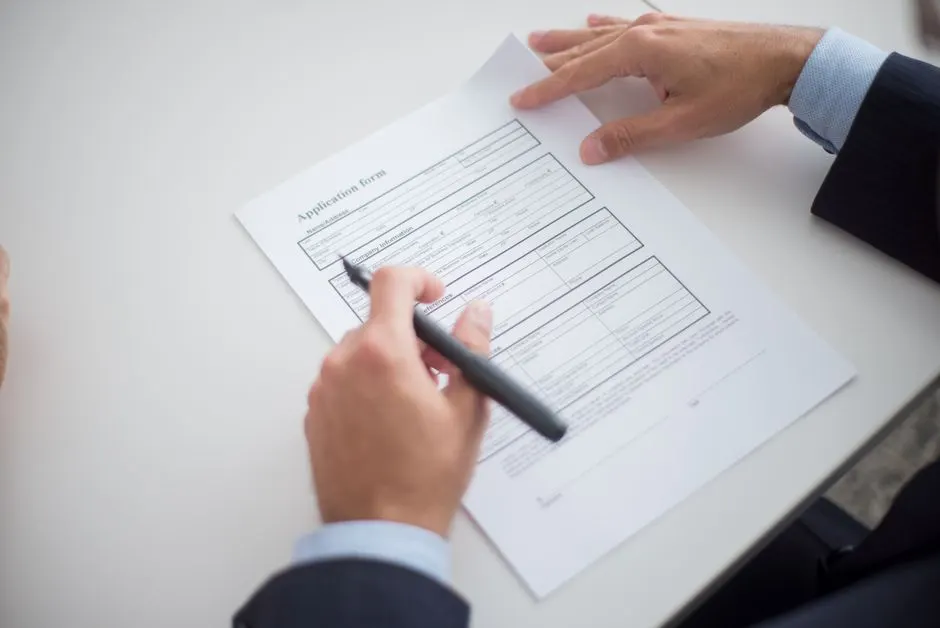
| Application form and CV | Yes | No, you complete both in German |
| Valid passport | Yes | As a rule, no |
| Residence permit | Yes | No, it is a German document |
| Birth certificate | Yes | Yes, unless it is in German or multilingual |
| Marriage certificate, divorce decree, including earlier marriages | If you are or have been married | Yes, unless in German |
| Birth certificates of children naturalised with you | If children are included | Yes, unless in German |
| Proof of income and support | Yes | Usually not, it is generally in German |
| B1 language certificate and naturalisation test | Yes, unless an exemption applies | No |
| Foreign police certificate | Only if the office asks for it | Yes, unless in German |
| Certificates of a change of name | If your name has changed | Yes, unless in German |
If you apply together with your family, the file grows accordingly. Under section 10(2) StAG, spouses, registered partners and minor children can be naturalised with you even if they have not yet lived in Germany for five years themselves. For each of them the office usually asks for their own civil-status certificates, and those need a translation too if they were not issued in German. From their 16th birthday young people file their own application; for younger children the parents apply.
Get your office's list before you order anything. Many offices offer an advice appointment where you can clarify which documents your case needs.
Which documents need a certified translation, and which do not?
For foreign-language certificates, naturalisation offices usually ask for a certified translation: a complete German rendering, signed and stamped by a translator authorised or sworn by a German court. That mainly concerns your birth certificate, your marriage certificate and any divorce decree. Other official documents, such as a foreign police certificate or a certificate of a change of name, are handled as an other official certificate. Some documents, on the other hand, need no translation at all.
Passport and residence permit
A passport follows an international layout and shows your details in Latin letters. The office reads it without a translation and takes a copy. The residence permit is a German document in any case.
German-language evidence
Your employment contract, payslips, pension insurance record, German school certificates, the B1 certificate and the naturalisation test certificate are all issued in German. There is nothing to translate here.
EU multilingual forms and international extracts
Certificates from EU member states can be requested with an EU multilingual standard form, and many countries issue multilingual extracts under the CIEC conventions. Both are designed to be read without a translation. If the office finds a detail missing, it can still ask for one. Our guide to birth certificate translation explains how this works in detail.
Do your certificates need an apostille or legalisation?
A translation deals with language; an apostille or legalisation confirms that the certificate itself is genuine. Which you need depends on the issuing country. Civil-status certificates such as birth, marriage and divorce certificates, and police certificates, from EU member states need no apostille for use in Germany. Countries in the Hague Apostille Convention issue an apostille; for many others, legalisation through the German mission is the rule. Our guide on apostille vs. certified translation explains the difference in detail.
Get the apostille or legalisation before the translation. It is part of the document and is translated together with it, so adding it later means a second translation.
How are Cyrillic names spelled in naturalisation documents?
Few details cause as many queries in a naturalisation file as the spelling of your name. Translators usually render Cyrillic names under the ISO 9 standard, which maps each letter to a fixed Latin character, often with diacritics: "Шевченко" becomes "Ševčenko". Your passport, though, may say "Shevchenko", because the issuing country uses a different transliteration. Which form is entered in the register is decided by the Standesamt or the naturalisation office, so ask there before you order.
For naturalisation this is more than a formality. The office has to treat your identity as established, and the name in your Einbürgerungsurkunde (naturalisation certificate) later becomes the basis for your German identity card, passport and residence registration. If your passport, birth certificate and marriage certificate disagree, the office has to ask, and the application waits. To keep everything consistent:
- Tell your translator which spelling your passport uses before work starts, and send the passport page. The translation renders the name under ISO 9 and notes the passport spelling.
- Make sure every translation in your file shows the same name in the same form.
- If you would like your name adapted to a German form after naturalisation, for example without diacritics, ask the Standesamt about a name adjustment (Namensangleichung).
How does the process work, and how long does it take?
For each certificate you upload a clear scan or photo, front and back, with the apostille and every annotation. A sworn translator prepares the German translation and adds the certification, and you receive the signed and stamped document digitally or by post. How long that takes depends on the language, the length of the documents and the delivery option; our guide to certified translation turnaround times sets out what affects it.
Plan backwards from your submission date. The translation is rarely what takes longest; ordering certificates and apostilles from your country of origin usually is. If you are planning to marry in Germany with foreign documents, our guide to marrying in Germany covers which documents the Standesamt wants translated for that.
What does translating your naturalisation documents cost?
The cost depends mainly on how many certificates you need translated. A typical file holds a birth certificate and a marriage certificate, plus divorce decrees for earlier marriages and birth certificates for any children. The price per certificate depends on the language pair, any additional pages such as an apostille, and whether you need the certified original posted. The price box on this page shows the current figure, and our guide to certified translation costs explains how prices are calculated across providers.
Which mistakes delay a naturalisation application?
Most delays do not come from checking the requirements but from documents that are missing or do not match. The most common causes:
- An outdated foreign police certificate. If the office asks for one, it expects a current one. Apply too early and you will have to order and translate it again.
- Missing documents for earlier marriages. If you have been married before, the marriage certificate and the divorce decree or death certificate for each earlier marriage belong in the file, each with a translation.
- Scans instead of originals. A scan is enough for the translation, but the office wants to see the original certificates, or certified copies, itself.
- An apostille added after the translation. If it comes later, the translation has to be extended or redone.
- Different spellings of your name. If a translation spells your name differently from your passport without noting the passport form, queries follow.
- Incomplete translations. Marginal notes, reverse sides and later entries belong in the translation, even when they look unimportant.
Key takeaways
- Foreign-language birth, marriage and divorce certificates usually need a certified translation for naturalisation.
- Your passport, residence permit and German-language evidence need no translation; EU multilingual forms and CIEC extracts often make one unnecessary.
- Apostille or legalisation depends on the issuing country and comes before the translation.
- Cyrillic names are rendered under ISO 9 with your passport spelling noted; which form is entered in the register is for the Standesamt or the naturalisation office to decide.
- Requirements differ between offices: get your naturalisation office's list before you order or translate any certificate.
Frequently asked questions
Do I need a new birth certificate for naturalisation in Germany?
Can I use a translation that was done abroad?
Does my passport need to be translated for naturalisation?
How old can a foreign police certificate be?
Is a scan of my certificates enough for the application?
Sources and further reading
This guide reflects the rules as of 6 November 2026. Requirements differ between cities and offices — always confirm with the authority handling your case. It is not legal advice.